






In a world where every ounce of battery life counts, the quest for power-sharing capabilities has never been more critical. Imagine this: you’re out with friends, and your phone’s battery is hanging on by a thread. Suddenly, your buddy’s iPhone becomes your lifeline, but does it really have battery share? Spoiler alert: it does, but not in the way you might think.
Apple’s iPhones come equipped with some nifty features, but battery sharing isn’t exactly their party trick. Instead, users often find themselves wishing for that magical moment when they can drain their friend’s battery just a little bit—without the guilt. So, let’s dive into the world of iPhone battery sharing and uncover the truth behind this tantalizing feature.
Understanding Battery Share on iPhones
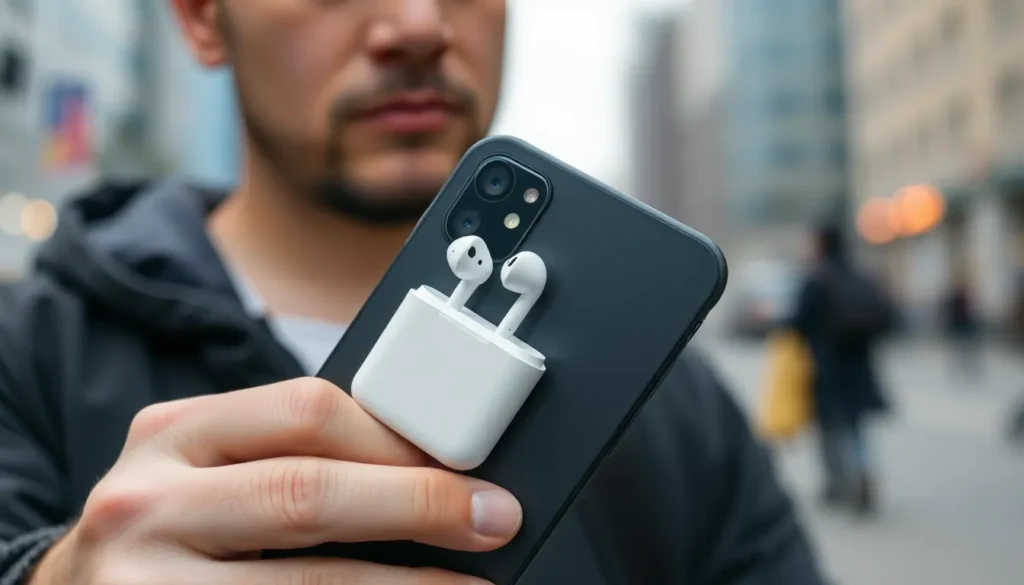
Battery sharing on iPhones plays a vital role in emergency situations, allowing users to share power with other devices. This feature, known as Reverse Wireless Charging, enables an iPhone to charge compatible accessories wirelessly. Users can charge devices like Apple AirPods or Apple Watch by placing them on the back of the iPhone.
While iPhones from the iPhone 8 model and onwards support wireless charging, Reverse Wireless Charging isn’t supported as of the latest models. Many users expect seamless battery sharing, but this functionality isn’t available for iPhones in the same way it is for some Android devices. Battery sharing usually appears more prominently in the flagship devices of other brands, creating misconceptions around iPhone capabilities.
Users can still manage battery life effectively with features like Low Power Mode. This setting reduces background activity and optimizes performance, helping iPhones conserve battery until users can recharge. Device settings also let users monitor battery health and usage through the Battery section in Settings. These insights help users understand app consumption patterns and address power issues.
iPhones excel in battery efficiency and maintenance, allowing for longer usage without frequent charging. Users can rely on options like optimized battery charging, which reduces aging by learning daily charging routines. While battery sharing remains limited, iPhones provide a range of features geared towards effective battery management.
Features of Battery Share
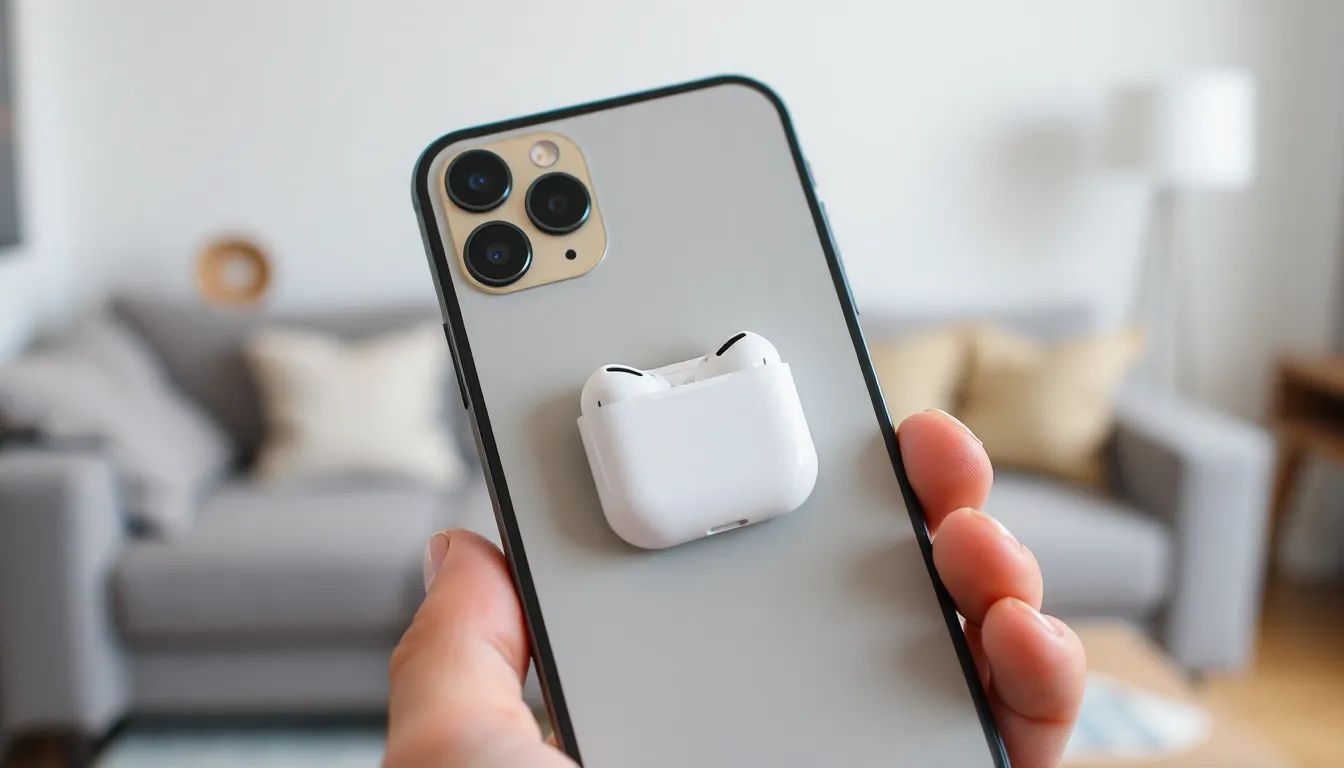
Battery sharing on iPhones offers a way to extend the power of devices by allowing users to share battery with compatible accessories. This feature mainly operates through Reverse Wireless Charging, enabling users to charge devices like Apple AirPods and Apple Watch using their iPhone.
How Battery Share Works
Reverse Wireless Charging activates when the iPhone detects a compatible accessory nearby. Aligning the accessory with the back of the iPhone initiates the charging process. Users enjoy the convenience of charging without needing an additional power source. It’s important to keep the iPhone’s screen on during the process to ensure ongoing power transfer. This feature maximizes battery efficiency and supports quick charging for accessories.
Compatibility with Different Models
Battery sharing is not universal across all iPhone models. It is limited to select newer models, starting with the iPhone 12 and later versions. Older models, including the iPhone 8 through the iPhone 11, do not support this feature. Users should consider their device model when exploring battery-sharing capabilities. Compatibility determines the ability to take advantage of this convenience, which may affect how users manage their accessories’ battery life.
Benefits of Using Battery Share
Battery sharing enhances user convenience and offers solutions in critical situations. It allows users to share power with compatible accessories, which boosts overall functionality.
Convenience for Users
Convenience emerges as a key benefit of battery sharing on iPhones. Users enjoy the ability to recharge devices like AirPods or Apple Watch without needing an external power source. Aligning the accessory on the back of an iPhone activates the feature quickly. Individuals appreciate the seamless experience, especially when on the go. Additionally, this feature eliminates the need for carrying extra cables or portable chargers, simplifying daily usage.
Emergency Charging Scenarios
Emergency situations illustrate the practical importance of battery sharing. Users often encounter moments when their accessory battery levels drop unexpectedly. In these instances, battery share provides an immediate solution. They can easily tap into their iPhone’s power to recharge AirPods during commutes or Apple Watch while exercising. This immediate access to power assures users that they remain connected, even when external charging options aren’t available.
Limitations of Battery Share
Battery sharing features on iPhones come with several limitations that users should know. These restrictions impact the overall experience and effectiveness of the feature.
Battery Life Considerations
Sharing battery power can significantly affect the iPhone’s battery life. During the sharing process, users may notice a rapid depletion of their device’s charge. Users must keep in mind that engaging in battery share with compatible devices like AirPods or Apple Watch draws energy from the iPhone. Optimizing battery usage becomes crucial, especially when users rely on their iPhone for essential tasks. Regularly charging the iPhone beforehand mitigates these concerns, ensuring a balanced power distribution. Managing power efficiently in these situations leads to a better user experience.
Device Compatibility Issues
Not all devices are compatible with iPhone battery sharing. Only specific models, starting from iPhone 12, support the Reverse Wireless Charging feature. Older models, such as iPhone 8 through iPhone 11, lack this capability and can lead to user frustration. Users should check if their accessories support this feature before attempting to use it. Compatibility extends beyond just devices; certain cases may block the charging transfer. Ensuring that users adopt the right accessories helps avoid complications and enhances their experience with battery sharing.
User Experiences and Reviews
Users report mixed experiences with iPhone’s battery-sharing feature. Many find it convenient for recharging accessories like AirPods and Apple Watch. Others express frustration over the limited compatibility, noting that only models starting from the iPhone 12 support this function.
Feedback indicates that users appreciate the emergency charging capability. In critical situations where other charging options are unavailable, battery sharing proves beneficial. Users successfully recharge their AirPods on the go, but they often mention the necessity of keeping the iPhone screen on during the process.
Several reviews highlight concerns regarding battery depletion. Users warn that engaging in battery-sharing can drain the iPhone’s battery quickly. Many advise optimizing battery usage and charging their devices beforehand.
Inevitably, some users face compatibility challenges. Not all accessories work seamlessly with iPhone’s battery-sharing. Cases that interfere with charging transfer often lead to disappointment, prompting users to research compatible accessories.
Reflecting on their experiences, many users emphasize the importance of understanding the feature’s limitations. While it provides added convenience, users express the need to manage their iPhone’s battery life diligently. Users prioritize ensuring their iPhone remains charged, especially before attempting to share power.
Overall, feedback conveys that iPhone battery sharing fills a useful niche, but thorough awareness of its constraints improves user satisfaction. Users encountering issues often share tips and best practices, fostering a community dedicated to maximizing this feature’s potential.
Battery sharing on iPhones offers a convenient solution for users looking to recharge their accessories in critical situations. While the feature is available on models starting from the iPhone 12, it comes with limitations that users need to navigate. The necessity to keep the screen on during charging and the potential for rapid battery depletion are important considerations.
Understanding these nuances helps users make informed decisions about when and how to utilize battery sharing effectively. By optimizing battery usage and ensuring compatibility with accessories, iPhone users can enhance their experience and stay connected even when power sources are scarce.