





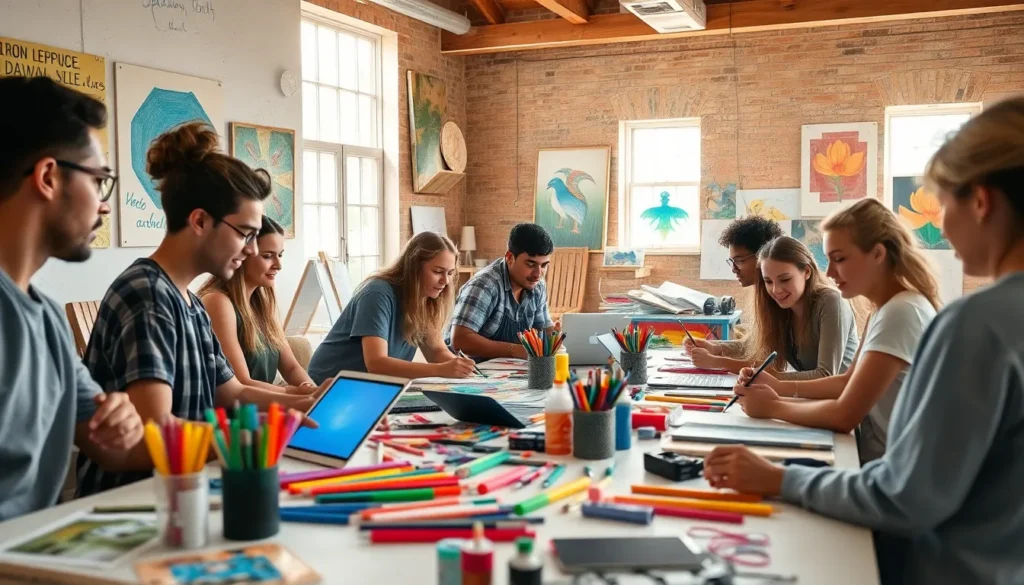
In a world bursting with ideas, the right creative tools can turn a spark of inspiration into a blazing masterpiece. Whether you’re a seasoned artist or a weekend doodler, having the right resources at your fingertips can make all the difference. Imagine whipping up a stunning graphic or crafting the perfect pitch, all while sipping your favorite coffee—now that’s what creativity should feel like!
But let’s be real: navigating the sea of tools out there can feel like trying to find a needle in a haystack. Fear not! From intuitive design software to quirky brainstorming apps, there’s a treasure trove of resources just waiting to unleash your inner genius. So buckle up and get ready to explore the must-have tools that’ll elevate your creative game and maybe even make you the next Picasso—minus the ear incident, of course.
Overview of Creative Tools and Resources
Creative tools and resources encompass a wide range of applications and systems designed to facilitate artistic expression. Artists, designers, and casual creators find immense value in software that helps realize their visions.
Design software plays a pivotal role in the creative process. Programs like Adobe Creative Cloud, including Photoshop and Illustrator, offer powerful features for image manipulation and vector design. Platforms such as Canva simplify graphic design, making it accessible for non-professionals while delivering quality results.
Brainstorming apps serve as an essential resource for idea generation. Tools like MindMeister and Trello promote organization and collaboration, enhancing team creativity. Meanwhile, software like Evernote supports capturing and managing thoughts across various devices.
Additionally, stock photo and video resources supply high-quality assets for diverse projects. Websites offering royalty-free images, such as Unsplash and Pexels, allow creators to enhance their work without breaking copyright rules. Video resources, like Shutterstock and Videvo, afford visual content for multimedia projects.
Furthermore, online learning platforms significantly expand creative skills. Websites like Skillshare and Udemy provide courses on various topics, from graphic design to photography, enabling users to refine their abilities and explore new techniques.
Mobile apps also contribute to the creative toolkit. Applications like Procreate and Adobe Fresco cater to artists on the go, enabling them to sketch and paint digitally. Social media platforms, like Instagram and Pinterest, foster inspiration through sharing and discovering other creators’ work.
Prioritizing the right combination of tools and resources enhances creativity and streamlines the workflow. By leveraging these assets, individuals can transform their ideas into tangible creations more effectively.
Types of Creative Tools
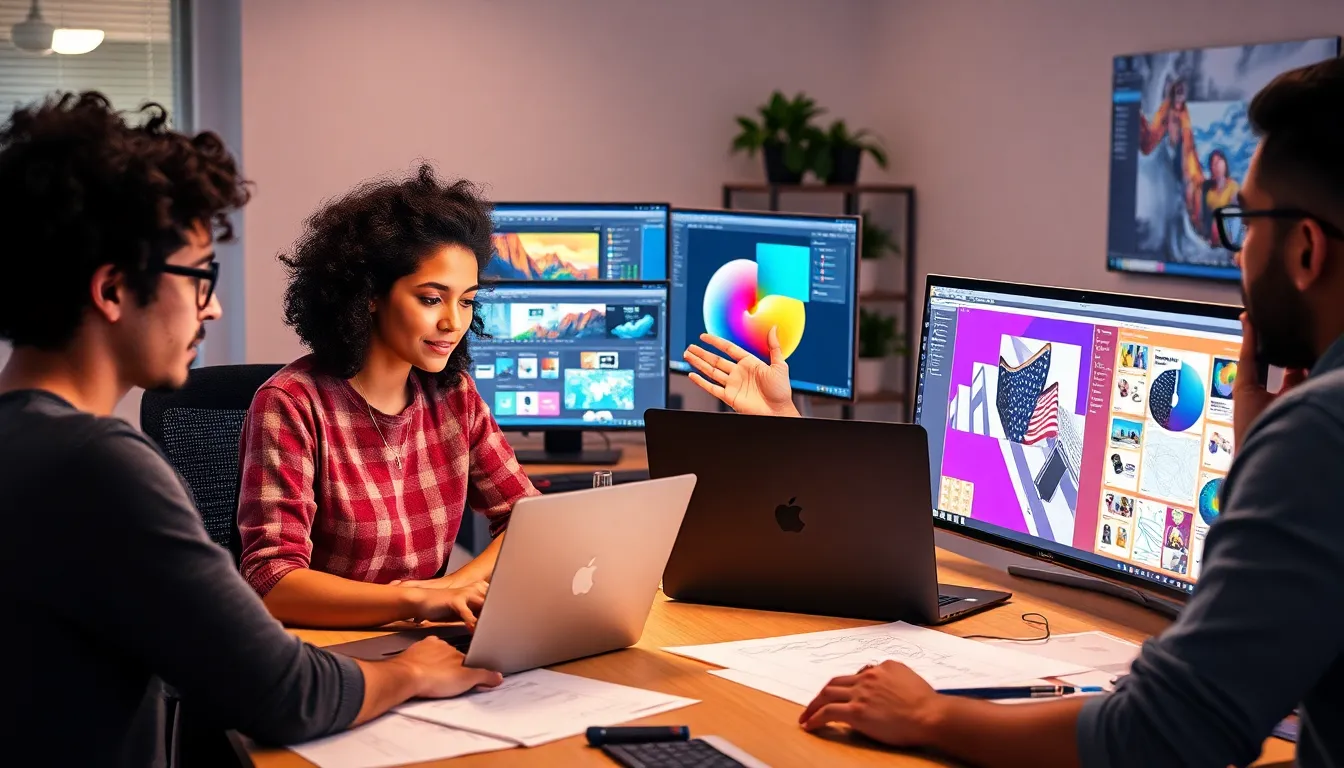
Creative tools come in various forms, catering to diverse aspects of the artistic process. Each type serves a specific purpose, enhancing creativity and efficiency for creators.
Design Software
Design software serves as an essential foundation for graphic design and visual content creation. Adobe Creative Cloud stands out, offering industry-standard applications like Photoshop and Illustrator for image editing and vector graphics. Canva provides an accessible alternative, ideal for users seeking user-friendly design options. Both platforms allow creators to manipulate images and design layouts effectively. These tools simplify the design process, facilitating the transformation of ideas into visually compelling artwork. For collaborative projects, incorporating design software that supports team functionalities promotes an efficient workflow.
Writing Tools
Writing tools play a significant role in enhancing content creation and organization. Applications like Grammarly assist with grammar checks and stylistic improvements, helping writers refine their work. Google Docs allows seamless collaboration, enabling multiple users to edit in real-time. Evernote excels at note-taking, providing a versatile space for brainstorming and organizing thoughts. These tools empower writers by streamlining the writing process, ensuring that clarity and structure remain a focus. Prioritizing the right writing software can markedly elevate the quality of written content.
Collaboration Platforms
Collaboration platforms foster teamwork and enhance creative workflow. Trello simplifies project management by providing visual boards for task tracking and organization. Slack encourages communication, making it easier for teams to share ideas and feedback in real-time. Asana focuses on task assignments and progress monitoring, ensuring all team members stay aligned on project goals. Utilizing these platforms leads to increased productivity and creativity, as they allow for effective collaboration and accountability. Prioritizing tools that support teamwork can significantly enhance the creative process.
Resources for Inspiration
Accessing diverse resources can spark creativity and enhance artistic expression. Explore online communities and educational content for innovative ideas.
Online Communities
Joining online communities fosters collaboration and inspiration among creators. Platforms like Behance and Dribbble allow users to showcase their work, connect with peers, and receive feedback. Forums on Reddit, such as r/Art and r/Design, provide spaces for discussion and advice, while Facebook groups can offer support and motivation. Participating in these communities helps individuals stay updated on trends and techniques. Networking with fellow artists encourages sharing of ideas, resulting in fruitful collaborations and shared accountability.
Educational Content
Delving into educational content cultivates skills and nurtures creativity. Websites like Skillshare and Udemy offer an array of courses on design, writing, and more. Users can learn from industry experts at their own pace. YouTube channels dedicated to creative processes showcase tutorials and project walkthroughs. Online articles and blogs deliver insightful tips and inspiration from successful creators. Engaging with these resources enriches knowledge and leads to practical application of learned concepts in their projects.
Evaluating Creative Tools
Evaluating creative tools involves assessing key factors, including user experience and cost versus benefit. Making informed choices ensures optimal creative efforts.
User Experience
User experience plays a crucial role in the effectiveness of creative tools. A streamlined interface enhances engagement, allowing creators to work efficiently. Intuitive design features promote user satisfaction, facilitating quick learning and adaptation. Tools that offer robust support, such as tutorials and forums, significantly improve usability. High customer ratings often indicate a positive user experience and reliability. Regular updates and responsive customer service also contribute to lasting value.
Cost vs. Benefit
Cost versus benefit analysis guides the selection of creative tools. Tools like Adobe Creative Cloud might require a higher investment, but they offer comprehensive features that cater to professional needs. Free alternatives, such as Canva, provide essential functions, making them attractive for casual users. It’s essential to evaluate the specific features required for projects to align with budget constraints. Long-term savings often accompany high-quality tools, given their potential to streamline workflows and boost productivity. Understanding these factors helps users maximize their investment in creative resources.
Future Trends in Creative Tools
Emerging trends in creative tools highlight advancements in technology enhancing productivity. Artificial intelligence (AI) plays a significant role in shaping future resources. Tools leveraging AI streamline processes, automate repetitive tasks, and provide personalized recommendations, allowing creators to focus more on their work.
Collaboration tools are evolving as well. Real-time collaboration features enable teams to work simultaneously on projects, regardless of location. Enhanced communication capabilities within these platforms improve workflow efficiency and foster creativity through collective feedback.
Cloud-based solutions are gaining traction in the creative landscape. These resources offer accessibility across devices, making it easier for users to manage projects on the go. Services like Adobe Creative Cloud and Canva provide seamless integration of files, essential for modern creators.
Design tools are also exploring augmented reality (AR) and virtual reality (VR) applications. These technologies enhance user engagement by offering immersive experiences in fields like graphic design and product visualization. Creators benefit from the ability to interact with designs in three-dimensional environments.
Mobile applications are evolving to cater to on-the-go creators. Increased functionality and user-friendly interfaces make it easier to sketch, edit, and share artwork from smartphones and tablets. Procreate and Adobe Fresco represent this trend by offering professionals high-quality tools at their fingertips.
Data analytics is also becoming integral in evaluating creative performance. Tools that analyze audience engagement provide insights to creators, helping them refine their approach. Informing decisions with data allows artists to align their work more effectively with audience expectations.
These trends illustrate how innovation continues to revolutionize creative tools and resources. Understanding and adapting to these developments is key for creators looking to maximize their artistic potential and maintain a competitive edge.
Embracing the right creative tools and resources can significantly elevate any creator’s work. By leveraging advanced software and innovative apps, individuals can streamline their processes and unlock new levels of creativity.
As technology continues to evolve, staying informed about emerging trends will empower creators to adapt and thrive in a competitive landscape. Whether through enhanced collaboration, AI-driven solutions, or immersive experiences, the future of creativity is bright.
Investing time in exploring these tools not only enriches artistic expression but also fosters a community where ideas can flourish. Ultimately, the right resources can transform visions into reality, making the creative journey both fulfilling and impactful.