







Losing contacts on an iPhone can feel like losing a game of hide-and-seek with your best friends—frustrating and a bit embarrassing. But don’t worry! Restoring those missing connections is easier than finding your phone in the couch cushions. Whether it’s due to an accidental deletion or a hiccup during an update, there’s a way to get those contacts back without breaking a sweat.
Understanding Contact Restoration
Restoring contacts on an iPhone is crucial for maintaining communication. Effective restoration ensures access to essential phone numbers and email addresses.
Importance of Restoring Contacts
Restoring contacts becomes vital for seamless connectivity. Missing contacts can disrupt personal and professional interactions. Regaining lost contacts supports relationships, as individuals often rely on these connections for updates and assistance. Efficient recovery of contacts saves time, ensuring users remain organized. Relying on up-to-date contacts promotes productivity, enabling quick communication when needed.
Common Scenarios for Loss
Common scenarios leading to contact loss often arise unexpectedly. Accidental deletions frequently occur when users manage their contact lists. Software updates sometimes lead to syncing issues, resulting in missing information. Cloud service errors can also contribute to contact loss. Malicious software or unauthorized access may compromise data integrity. Each of these situations highlights the need for proactive measures to safeguard contact information.
Methods to Restore Contacts

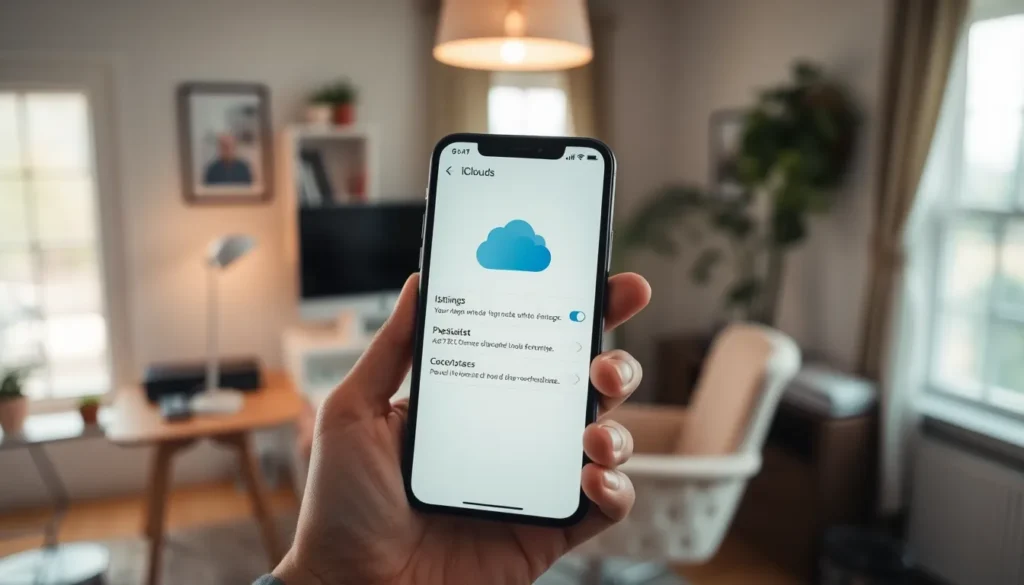
Restoring contacts on an iPhone involves several effective methods. These options include utilizing iCloud backup, iTunes backup, and third-party software.
iCloud Backup Restoration
iCloud backup enables seamless restoration of contacts. Users must first ensure their contacts sync with iCloud. They can navigate to Settings, tap on the user’s name, and select iCloud. When prompted, turning on Contacts allows the device to save updates automatically. After confirming iCloud is active, restoring contacts requires signing into iCloud.com. Selecting Contacts from the available options shows all saved entries. Users then can export contacts to get them back onto the iPhone.
iTunes Backup Restoration
For those who utilize iTunes, restoring contacts can be equally straightforward. First, users connect their iPhone to a computer and open iTunes. After the device is detected, they click on the device icon in the top left corner. Selecting “Restore Backup” displays available backups. Users choose the most relevant backup containing the lost contacts. Clicking “Restore” initiates the restoration process.
Third-Party Software Options
Third-party software provides additional avenues for recovering lost contacts. Various applications specialize in data recovery, searching deeply through device storage. Popular options include Dr.Fone, EaseUS MobiSaver, and Tenorshare UltData. Users install their chosen software on a computer, connect the iPhone, and follow on-screen prompts. Many tools offer a free trial to assess recovery capabilities before purchasing a full version.
Troubleshooting Restoration Issues
Restoring contacts can sometimes encounter hurdles. Users might find that their contacts don’t appear even after following the restoration process.
What to Do If Contacts Don’t Restore
If contacts don’t restore, check the iCloud settings first. Confirm that the correct Apple ID is in use. Users can also toggle the iCloud Contacts option off and then back on to prompt synchronization. Restarting the iPhone can help refresh the system and signal any syncing issues. In some situations, connections to cellular or Wi-Fi networks may disrupt restoration. Testing different networks to rule out connectivity problems is prudent. Ensure software is up-to-date as outdated versions can cause bugs that affect contact sync.
Ensuring Backup Availability
Ensuring backup availability remains crucial in this process. Users must verify that their backups are current and complete. Accessing iCloud settings allows users to see the date of the last backup. In iTunes, users can check the available backups by opening iTunes and navigating to Preferences. Confirming the correct backup selection is vital before initiating a restore. Users should also consider creating a new backup before attempting restoration, as this guarantees that the most recent information is saved. Keeping backup files organized can prevent confusion in future restoration attempts.
Preventative Measures
Maintaining contact information requires consistent backup and storage strategies. Implementing these measures helps avoid future losses.
Regular Backup Practices
Regular backups ensure contacts remain safe. iCloud and iTunes provide reliable options for this purpose. Users can enable automatic iCloud backups through settings. Choosing to back up to iTunes allows for manual control over the process. Scheduled backups, like weekly or monthly, lead to more up-to-date information. Verifying backups confirms that contact data is secure and accessible. Frequent checks reduce the risk of losing critical communication details.
Alternative Storage Solutions
Alternative storage solutions offer additional safety for contacts. Third-party apps, such as Google Contacts, simplify access across devices. Email service providers also allow for syncing contact lists. Exporting contacts as a file enables quick recovery if needed. Saving contacts to a SIM card provides an independent backup method. By exploring diverse storage options, users enhance the likelihood of recovering important information. Using these solutions in tandem boosts data protection significantly.
Restoring contacts on an iPhone doesn’t have to be a daunting task. With the right methods and tools at hand users can quickly regain access to their essential information. Whether it’s through iCloud or iTunes backups or utilizing reliable third-party software options the process can be seamless.
By taking proactive steps such as regular backups and exploring alternative storage solutions users can significantly reduce the risk of losing important contacts in the future. Maintaining a consistent backup routine ensures that communication remains uninterrupted and relationships stay strong. With these strategies in place users can navigate contact restoration with confidence and ease.